Titus Welliver's Thriller Now Streaming on Paramount+
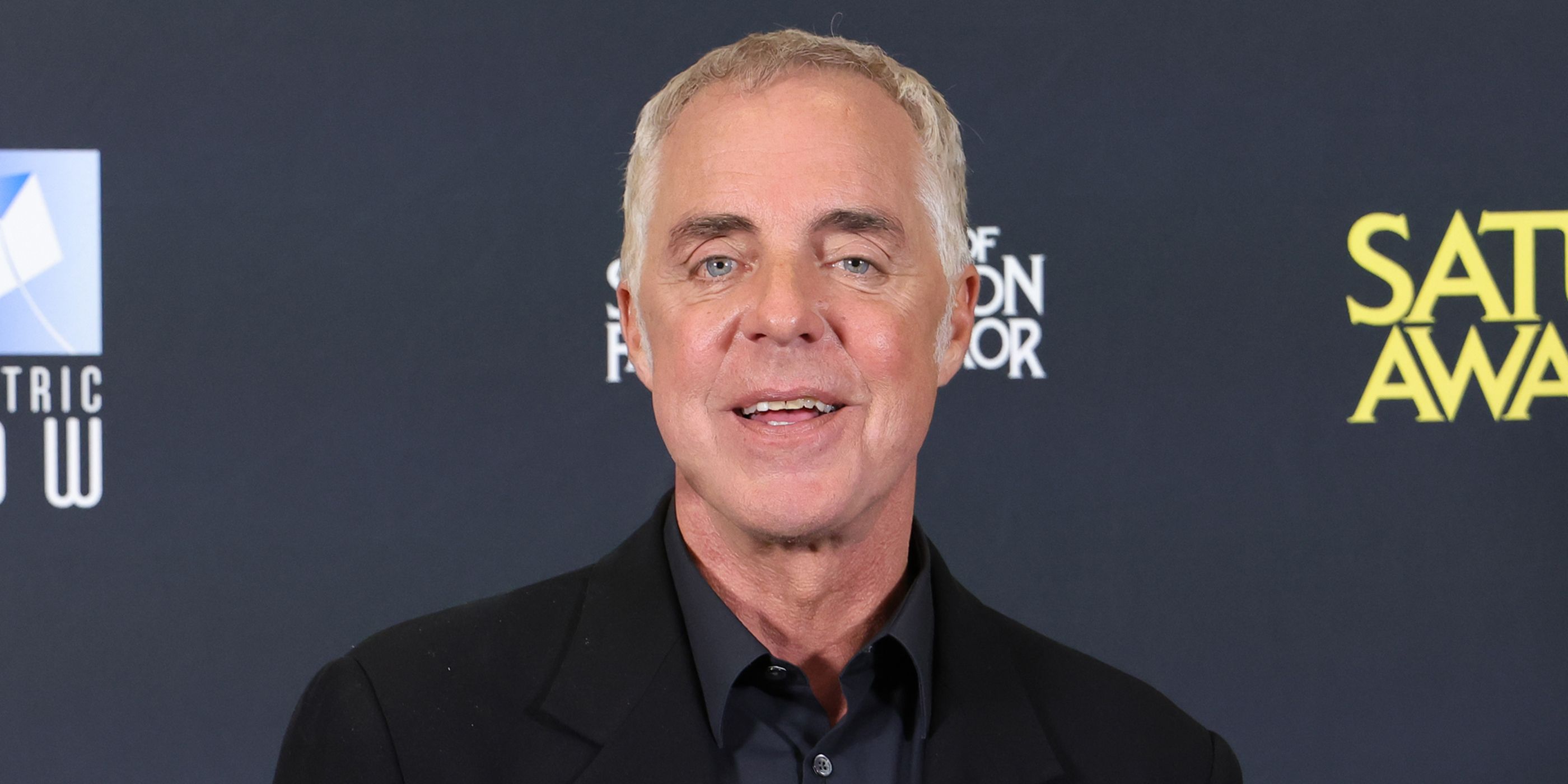
Titus Welliver’s Near-Perfect Thriller Is Officially Streaming on Paramount+
You’d think political thrillers would be slightly dry, quiet, and complex affairs, especially when based on real events, but this Oscar-winning movie took the formula in a particularly unusual direction. By turning one of the strangest operations of the Iran hostage crisis into a tense thriller, it also found room to poke fun at Hollywood. The film has since become a touchstone for the genre, blending gritty real-life stakes with a meta-commentary on the industry it depicts. Today, the movie is officially streaming on Paramount+, making it more accessible than ever to new audiences and seasoned thriller fans alike.
The allure of political thrillers rooted in actual history lies in their ability to educate while they entertain. When a story is grounded in real events—such as the 1979 Iran hostage crisis—the tension is inherently amplified by the knowledge that what unfolds on screen actually happened. Yet, for many viewers, the prospect of watching a “based on true events” film can feel daunting. These stories are often quiet, methodical, and layered with the kind of complex geopolitical machinery that can make for a slow burn. This particular film, however, proves that even the most serious subject matter can be rendered with both suspense and a wry sense of humor.
The Iran Hostage Crisis on Screen: A Defining Moment for Political Thrillers
The Iran hostage crisis remains one of the most significant geopolitical incidents of the late 20th century. From November 1979 to January 1981, 52 Americans were held captive at the U.S. Embassy in Tehran. The crisis shaped U.S.-Iran relations for decades and provided a rich vein of material for filmmakers. In cinema, the event has been approached from various angles: some focus on the diplomatic turmoil, others on the human drama of the captives and their families, and still others on the covert operations launched to secure their release.
Among the many films inspired by this period, one stands out for its critical acclaim and unique narrative structure. By focusing on a audacious rescue plan that involved creating a fake sci-fi film production, the movie turned a high-stakes military operation into a story about storytelling itself. This pivot not only heightened the suspense but also allowed for a satirical look at Hollywood’s inner workings—the very thing the film’s title alluded to when it mentioned poking fun at the industry. The result is a hybrid that works equally well as a nail-biting thriller and a behind-the-scenes satire of Tinseltown’s ego and machinery.
Argo and the Oscar-Winning Formula
Argo, directed by and starring Ben Affleck, arrived in 2012 and quickly became the definitive cinematic retelling of the “Canadian Caper,” the covert operation that spirited six U.S. diplomats out of Tehran under the guise of a Hollywood location scout scouting filming locations for a fictitious Star Wars-style screenplay. The film’s genius lies in its dual focus: on one hand, it delivers the pulse-pounding tension of a rescue mission with seconds to spare; on the other, it explores the absurdity and glamour of an industry that would willingly fabricate a movie to real people out of a war zone.
The Academy recognized this balance, awarding Argo the Best Picture Oscar in 2013. The decision highlighted how the film’s blend of historical reverence and narrative daring had resonated with both critics and audiences. Beyond the gold statuette, Argo succeeded in bringing a lesser-known chapter of the hostage crisis into the mainstream consciousness, reminding viewers that courage can wear many masks—in this case, the mask of a movie producer.
What makes Argo particularly enduring is its ability to walk the line between reverence for the real events and a playful challenge to the notion of “Hollywood magic.” Scenes depicting the pitch for the fake film Argo can be laugh-out-loud funny, yet they land against a backdrop of genuine danger. This juxtaposition is exactly what the original article alluded to when referencing a movie that “found room to poke fun at Hollywood.” It’s a strategy that has influenced subsequent political thrillers, proving that satire and serious drama are not mutually exclusive.
Titus Welliver and the Modern Political Thriller
While Argo employs an ensemble cast of seasoned performers, the conversation around modern political thrillers often turns to the distinctive screen presence of actors who specialize in grit, intensity, and moral ambiguity. Titus Welliver is one such figure. With a career spanning prestige television roles in Lost, Deadwood, and Bosch, Welliver has built a reputation for portraying characters who operate in the murky spaces between law and chaos. His piercing gaze and quiet intensity make him a natural fit for the kind of nuanced performances that political thrillers demand.
Welliver’s body of work often explores themes of loyalty, justice, and the personal cost of operating within powerful, often opaque systems. These are the same undercurrents that drive films like Argo. Though Welliver was not involved in the production of the Iran hostage crisis drama streaming on Paramount+, his work serves as a touchstone for audiences who appreciate the kind of character-driven suspense that such movies provide. Viewers drawn to the brooding, methodical tension of Welliver’s roles will find familiar ground in the careful pacing and character depth that hallmark the best political thrillers.
A Career Built on Grit
From his early days on Sons of Anarchy to his lead role as Detective Harry Bosch, Welliver has consistently chosen projects that prioritize substance over style. His characters are often men and women wrestling with impossible choices, a characteristic that aligns perfectly with the moral complexity found in real-life-based thrillers. Whether he’s navigating a cartel war or solving a cold case, Welliver’s approach is rooted in restraint—an attribute that allows the audience to project their own tension onto the screen.
Intensity That Complements the Genre
In the landscape of streaming thrillers, where content is abundant and attention spans are short, performers who can sustain a slow-building sense of dread are invaluable. Welliver’s skill set—marked by understated delivery and a commanding physical presence—mirrors the pacing of films that choose character over explosion. This is precisely why discussions about modern thrillers often circle back to him: he represents a lineage of actors who understand that the most effective political stories are those that find the human heartbeat within the geopolitical machinery.
Satire Meets Stakes: The Lighter Side of Serious Drama
One of the most refreshing aspects of Argo—and the reason it continues to be quoted and analyzed in film schools and casual viewing parties alike—is its willingness to lean into the absurdity of its premise. The central conceit—that a sci-fi film script could serve as the perfect cover for a covert extraction—is inherently ridiculous. Yet, the film treats the pitch sequences with genuine seriousness, allowing the actors to play the Hollywood executives and agents straight. The result is a satirical edge that lightly ribs the industry’s pretensions while never undermining the very real stakes at play.
This tonal balance is what sets Argo apart from more straightforward entries in the genre. It acknowledges that, even in the direst of circumstances, human beings find ways to laugh, to scheme, and to dramatize their situations. The “Hollywood” moments—complete with studio executives noting the box-office potential of a rescue mission—serve as a mirror to the very real ways in which perception and storytelling shape political reality. It’s a meta-commentary that feels particularly relevant in an era where media narratives and spin cycles often dictate the course of international events.
For modern viewers streaming the film on Paramount+, this duality offers a rewatchable quality that pure seriousness often lacks. You can appreciate it as a historical account on one viewing, and as a send-up of Tinseltown culture on another. It’s this flexibility that has contributed to its lasting place in the pantheon of political thrillers.
Why Political Thrillers Resonate With Modern Audiences
The enduring appeal of political thrillers based on true events can be traced to several intersecting factors. First, there is the innate human curiosity about how power operates behind closed doors. Whether it’s the Oval Office, a foreign embassy, or a clandestine CIA safe house, the mechanics of decision-making at the highest levels are often shrouded in mystery. Films like Argo pull back that curtain, offering a dramatized but recognizable glimpse into the “what could have been” of history.
Second, there is the element of catharsis. Watching a high-stakes rescue unfold—especially when the odds are overwhelmingly against the protagonists—provides a vicarious sense of justice and triumph. The Iran hostage crisis was a national trauma for the United States; seeing a coherent, cinematic narrative that leads to a successful resolution, however fictionalized, allows audiences to process that history through the lens of storytelling.
Finally, there is the relatability factor. At their core, these stories are about people—diplomats, spies, rescuers, and even Hollywood producers—doing their best under impossible pressure. That universality is why actors like Titus Welliver, who excel at portraying ordinary people in extraordinary circumstances, remain relevant. The best political thrillers remind us that behind every headline, every geopolitical maneuver, there are real humans making terrified, hopeful, and sometimes heroic choices.
Streaming Today: Accessing the Film on Paramount+
For those eager to experience this particular blend of tension, history, and Hollywood satire, the good news is that the film is officially streaming on Paramount+. The platform has positioned itself as a home for a wide array of critically acclaimed dramas, and this title fits neatly into its catalog alongside other geopolitical and historical fare. Streaming availability means that new generations can discover the film without the barriers of physical media or limited theatrical runs.
Paramount+ also offers curated collections and recommendations, making it easy for subscribers to find similar titles. Fans of Argo’s particular brand of mixture may also enjoy other political thrillers available on the service, ranging from more recent geo-political dramas to classic espionage films. While the landscape of streaming is ever-changing, the presence of this Oscar-winning gem ensures that its unique formula—serious stakes wrapped in a satirical package—remains just a few clicks away.
Beyond this single title, the platform’s investment in true-event storytelling reflects a broader trend in the streaming era: audiences want content that feels both entertaining and meaningful. The success of films that balance fact and fiction proves there is a substantial market for narratives that honor real history while engaging the emotions and intellect in equal measure. As more viewers discover (or rediscover) the film via Paramount+, the conversation around its unique approach is likely to grow, sparking new analyses and appreciation for a movie that dared to make a comedy out of a crisis.
Enduring Lessons From a Near-Perfect Thriller
More than a decade after its Oscar win, the film at the center of this discussion still offers lessons about the power of narrative. It demonstrates that a story’s strength doesn’t solely lie in its fidelity to facts, but in how those facts are framed, paced, and delivered. By weaving together the high-stakes tension of a rescue mission with the absurd, behind-the-scenes world of Hollywood production, it created a hybrid that appealed to a broad spectrum of viewers—from history buffs to film nerds to casual moviegoers looking for a good story.
It also serves as a testament to the resilience of the political thriller genre. In an age of peak television and endless content options, the political thriller has proven adaptable, shifting its settings and subjects while keeping its core promise: to find the human drama at the center of power structures. Whether the setting is a modern-day Capitol, a Cold War proxy conflict, or the snow-covered streets of Tehran in 1979, the genre’s ability to adapt is its greatest asset.
For anyone wondering why this specific film continues to be discussed, recommended, and streamed, the answer lies in that delicate balance. It is, in essence, a thriller that never forgets it’s telling a story about real people, during a real crisis, and a fake movie that changed everything. That paradox—of truth and fiction, of gravity and humor—is precisely why it remains “near-perfect” in the eyes of many, and why it deserves a spot in the queue of anyone settling in for an evening on Paramount+.
As the streaming wars continue and new stories from around the globe vie for attention, the lasting impact of this particular blend of real-life tension and Hollywood satire serves as a marker of what the genre can achieve when it trusts its audience enough to be both serious and playful. The film is on, the credits are rolling, and the conversation—about Hollywood, about Iran, about the nature of storytelling itself—continues, one stream at a time.


Comments
Post a Comment